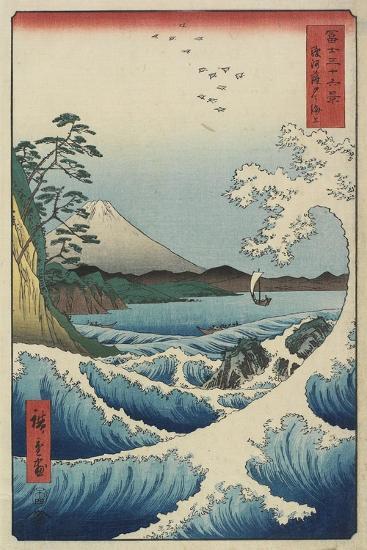
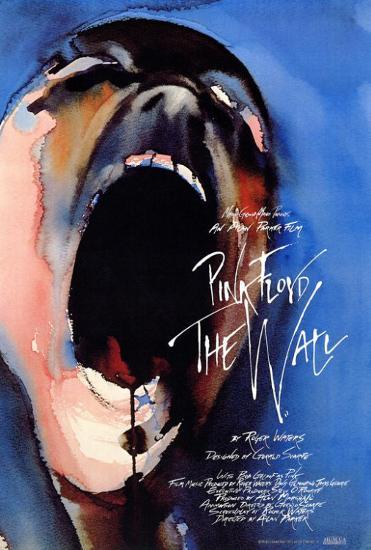
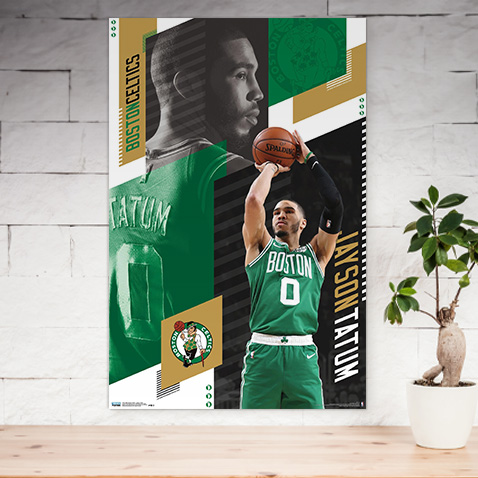
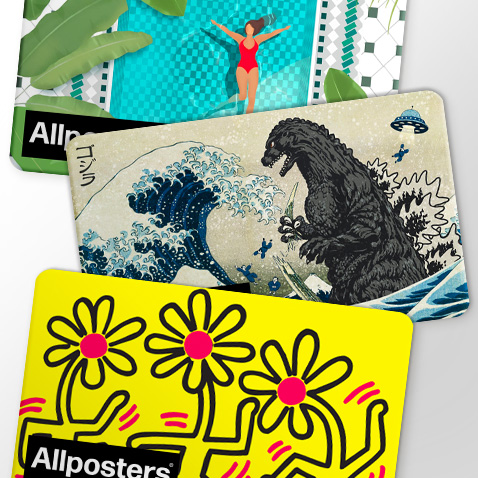
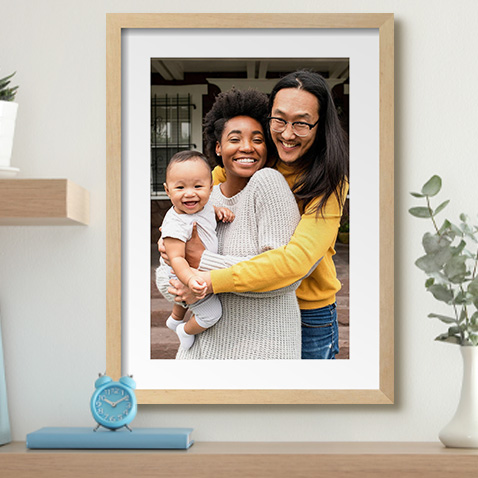
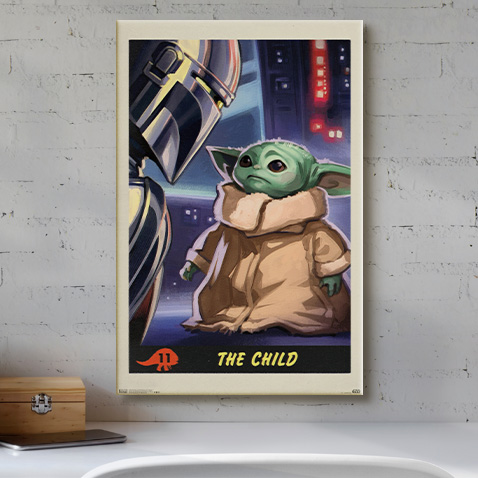
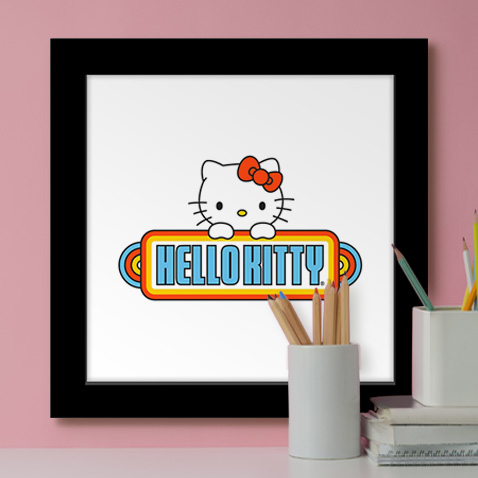
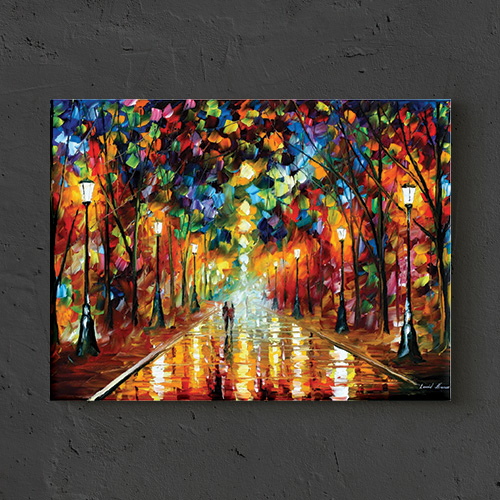
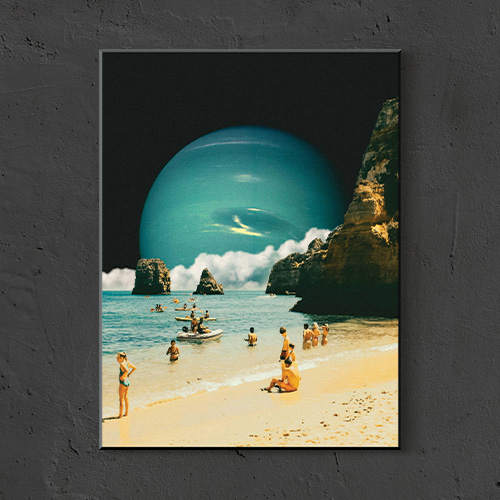
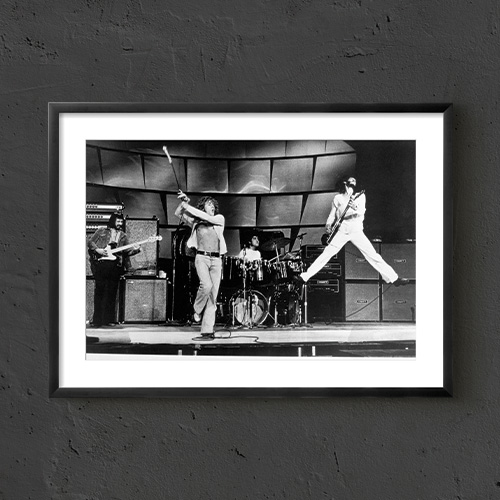
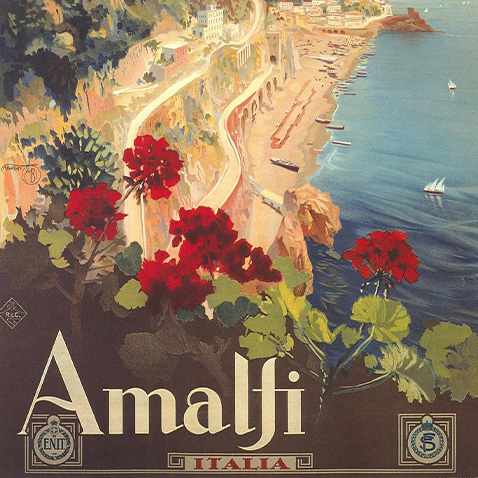
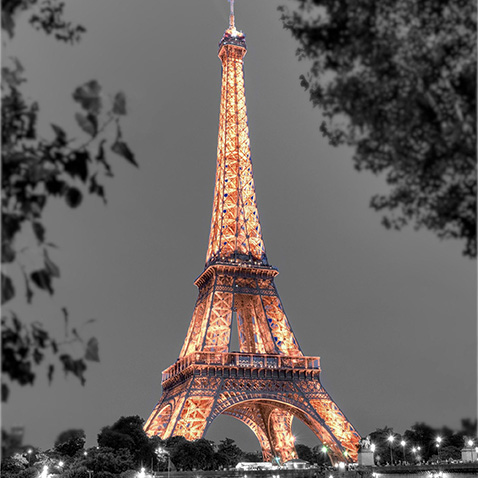
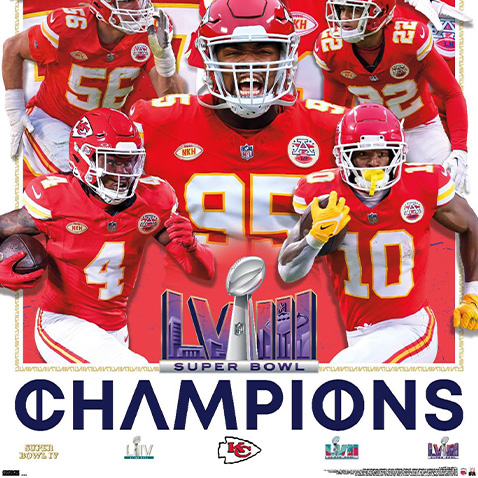
This premium giclée print, an upgrade from the standard giclée print, is produced on thick (310 gsm), textured watercolor paper made from alpha cellulous wood pulp that is acid free. It shares the same vivid colors, accuracy, and exceptional resolution that make giclée prints the standard for museums and galleries around the world. Giclée (French for “to spray”) is a printing process where millions of ink droplets are sprayed onto a high-quality paper. The smooth transitions of color gradients make giclée prints appear much more realistic than other prints.


This giclée print delivers a vivid image with maximum color accuracy and exceptional resolution. The standard for museums and galleries around the world, giclée (French for “to spray”) is a printing process where millions of ink droplets are sprayed onto the paper’s surface. With the great degree of detail and smooth transitions of color gradients, giclée prints appear much more realistic than other reproduction prints. The high-quality paper (235 gsm) is acid free with a smooth surface.
Leonardo Da Vinci (1452 – 1519) oli renessanssin mestari, jonka nerokkuudella oli vahva vaikutus myös matematiikkaan ja luonnontieteisiin. Da Vinci, jonka älykkyys oli ainutlaatuisen monipuolinen, oli kyltymättömän utelias ja kekseliäs. Tutkiessaan tieteellisesti valoa ja varjoa hän pystyi luomaan itselleen käsityksen kolmesta ulottuvuudesta ja hän käytti tätä tietoa saadakseen henkilöhahmoihinsa niiden vallankumouksellisen todentuntuisuuden. Da Vincin töistä käy ilmi, että hänellä oli selvä käsitys tunnelm